Best Time to Visit French Polynesia: A Guide for Australian Travellers
There’s a common belief that any time is the perfect time to visit paradise. And while French Polynesia certainly delivers postcard-worthy beauty year-round, the reality is more nuanced. The season you choose affects everything from rainfall and humidity to crowd levels, flight prices, and even the marine life you’ll encounter. For Australian travellers planning Bora Bora lagoon tours and hoping to immerse themselves in Polynesian culture, timing your trip well can mean the difference between a good holiday and an unforgettable one. We’ve put together this guide to help you decide exactly when to go.
Understanding French Polynesia’s Seasons
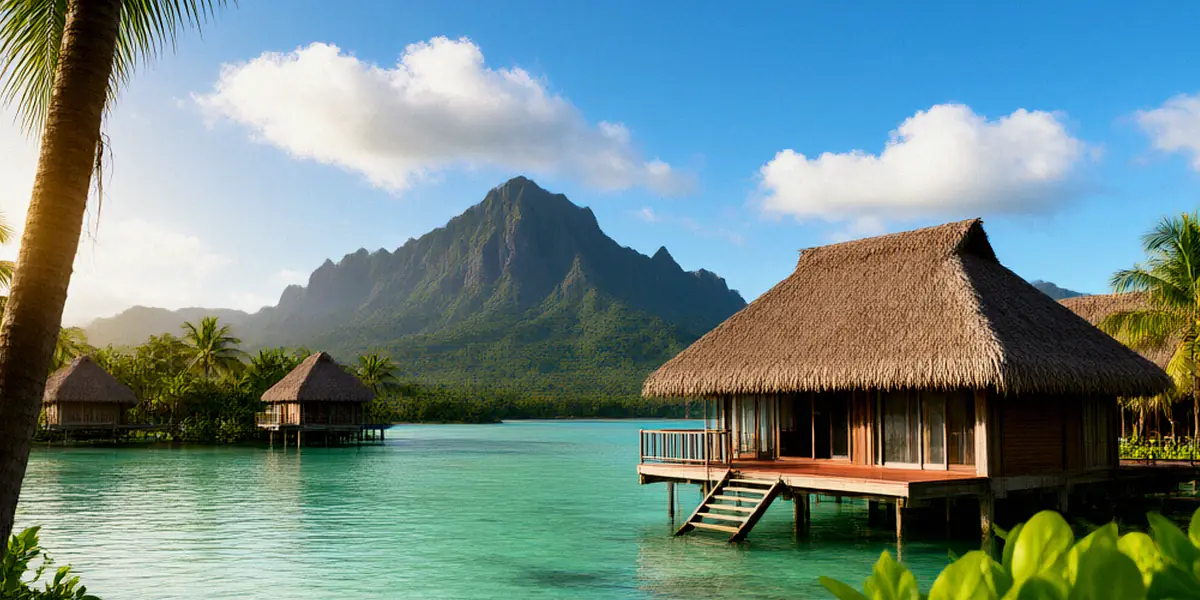
French Polynesia experiences two distinct seasons, and understanding them is the foundation of smart trip planning. The dry season runs from May to October, while the wet season spans November to April. Temperature-wise, there isn’t a dramatic swing — expect around 24°C to 30°C most of the year — but humidity and rainfall tell a different story. The dry season aligns neatly with the Australian winter, which is precisely why so many Aussies escape south for a tropical reprieve.
Dry Season (May to October): The Peak Period
This is the postcard version of French Polynesia: lower humidity, more sunshine, and calmer lagoon conditions. Daytime temperatures hover around 26°C to 29°C, making it ideal for snorkelling, boat tours, and beach days. It’s also the busiest and most expensive time to visit, particularly June through August when Australian school holidays overlap with peak tourist season. If you’re chasing guaranteed sunshine for your Bora Bora lagoon tours, this is your window.
Wet Season (November to April): The Value Period
The wet season brings higher humidity, heavier rainfall, and the occasional tropical downpour — though these are often short, intense bursts rather than all-day washouts. Temperatures sit slightly higher, around 27°C to 31°C. The upside? Fewer crowds, significantly lower accommodation rates, and a lush, vibrant landscape. For budget-conscious Australians willing to accept a bit of rain, this period offers excellent value.
Weather Patterns and Lagoon Conditions
Weather plays a direct role in the quality of your lagoon tours and snorkelling experiences. The good news is that water visibility in Bora Bora’s lagoon is generally excellent year-round. However, heavy rain during the wet season can cause runoff that temporarily reduces clarity in some areas. Wind is another factor — trade winds can pick up in July and August, making boat tours bumpier and occasionally leading to cancellations.
Water Temperature and Visibility for Snorkelling
Lagoon water temperatures range from roughly 26°C in the cooler months to 29°C in the warmer months — comfortable for extended snorkelling sessions without a wetsuit. Visibility typically ranges from 20 to 40 metres, though it can drop after sustained rainfall. If clear water is your priority, aim for the dry season or the shoulder months.
Wind and Wave Conditions for Lagoon Tours
July and August bring stronger trade winds, which can make for a choppier ride on lagoon excursions. If you’re prone to seasickness or travelling with young children, consider booking tours earlier in the day when winds are typically calmer. May, September, and October often strike the best balance between pleasant weather and manageable conditions.
Crowds, Costs, and Australian School Holidays
Peak tourist season in French Polynesia runs from June to August and again from December to January. Unfortunately, these periods coincide almost perfectly with Australian school holidays, which means flights and accommodation fill up fast and prices climb accordingly. If you have flexibility, travelling outside these windows can save you a substantial amount.
Peak vs. Shoulder Season: What to Expect
- Peak season (June–August, December–January): Highest prices, largest crowds, best weather (June–August). Book well ahead.
- Shoulder season (May, September, October): Good weather, moderate crowds, more reasonable rates — our pick for best overall value.
- Wet season (November–April, excluding December–January): Lowest prices, fewest tourists, occasional rain.
Budgeting for Your Trip: Flights and Accommodation
Air Tahiti Nui operates direct flights from Auckland to Papeete, with connections onward to Bora Bora. Qantas also offers codeshare options for Australian travellers departing from Sydney, Melbourne, and Brisbane. Flight prices fluctuate significantly — booking at least six months in advance is our strongest recommendation for securing reasonable fares. Accommodation ranges from overwater bungalows at premium resorts to family-run pensions on the outer islands, so there’s an option for most budgets.
Cultural Events and Festivals
Aligning your visit with a cultural festival can transform your trip from a beach holiday into a genuine cultural immersion. French Polynesia celebrates its heritage with passion, and timing your Bora Bora lagoon tours around these events adds a richness that few destinations can match.
Heiva i Tahiti: A Celebration of Polynesian Culture
Heiva i Tahiti is a major cultural festival held annually in July, and it’s the highlight of French Polynesia’s event calendar. Expect traditional dance competitions, soul-stirring music performances, outrigger canoe races, and demonstrations of ancient crafts. Attending Heiva gives you a far deeper understanding of Polynesian culture than any resort performance could. If you’re visiting in July, build your itinerary around it.
Other Cultural Festivals Across the Islands
Bora Bora’s Matari’i celebrations in November mark the traditional Polynesian new year and are well worth considering if you’re travelling in the wet season. The islands also host smaller events throughout the year, including outrigger canoe races and local craft fairs. Checking local calendars before you book can help you catch something special.
Wildlife and Marine Life Encounters
For many travellers, marine life is the main event. French Polynesia delivers year-round, but certain species follow seasonal patterns that are worth planning around.
Whale Watching Season: July to October
Humpback whales migrate through French Polynesia from July to October, offering rare opportunities for snorkelling and whale-watching encounters. Swimming alongside these gentle giants is a bucket-list experience, and licensed operators in Bora Bora and Moorea run responsible tours during the season.
Year-Round Marine Life in Bora Bora
Bora Bora’s lagoon is famous for snorkelling with manta rays and sharks year-round, so you don’t need to worry about missing out regardless of when you visit. Coral spawning occurs in November, attracting a diverse array of marine life and making it a fascinating time for underwater enthusiasts.
Our Verdict: When Should You Go?
The best time ultimately depends on your priorities. Choose the dry season for guaranteed sunshine, the wet season for budget savings and fewer crowds, or the shoulder months for the best of both worlds. We recommend May and October as the sweet spots — pleasant weather, manageable crowds, and reasonable prices. Australians should book flights at least six months in advance for the best fares, especially if travelling during school holidays.
While French Polynesia is genuinely a year-round destination, aligning your trip with your preferences for weather, crowds, and cultural events will make your Bora Bora lagoon tours and Polynesian culture experience truly unforgettable. Whether you’re swimming with manta rays in November or dancing at Heiva i Tahiti in July, the islands reward thoughtful planning.
FAQ
What is the best month to visit Bora Bora for Australian travellers?
May and October offer the best balance of weather, crowds, and cost. If you want guaranteed sunshine and don’t mind higher prices, June to August is ideal — just book early to avoid school holiday surcharges.
Are Bora Bora lagoon tours affected by the wet season?
They still operate, but heavy rain can reduce water visibility and occasionally cause tour cancellations. Morning departures typically offer calmer conditions and better clarity.
Can I swim with humpback whales in French Polynesia?
Yes, but only with licensed operators and during the official season from July to October. Regulations are strict to protect the whales, so book through a reputable tour company.
How far in advance should Australians book flights to French Polynesia?
We recommend booking at least six months ahead, particularly for travel during Australian school holidays in June–July and December–January when demand is highest.
Is French Polynesia worth visiting during the wet season?
Absolutely. You’ll encounter fewer tourists, lower prices, and lush scenery. Rain is usually brief, and Bora Bora’s manta rays and sharks are present year-round.