Bora Bora Lagoon Tours: What to Expect
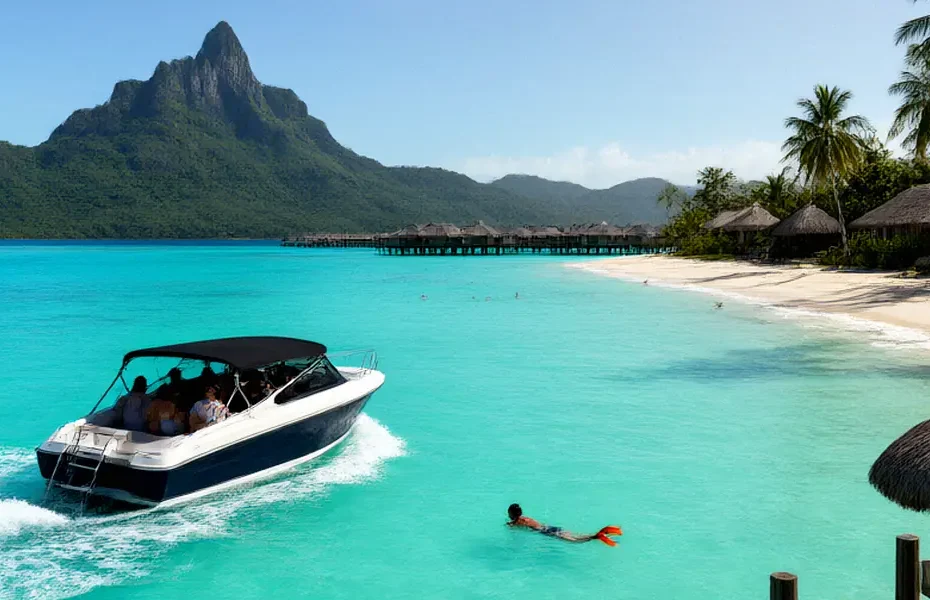
The moment your boat clears the channel and Mount Otemanu rises out of the morning haze, you realise the photos were never the exaggeration — they were the understatement. The water shifts through five shades of turquoise before your eyes, the sky feels closer, and somewhere ahead a stingray glides over white sand. We’ve sent plenty of Australian travellers to French Polynesia over the years, and that first glimpse never gets old. This guide walks you through what a Bora Bora lagoon tour actually involves, how to get there from Australia, what it costs, and the Polynesian culture you’ll encounter along the way.
Why Bora Bora’s Lagoon Is Worth the Trip from Australia
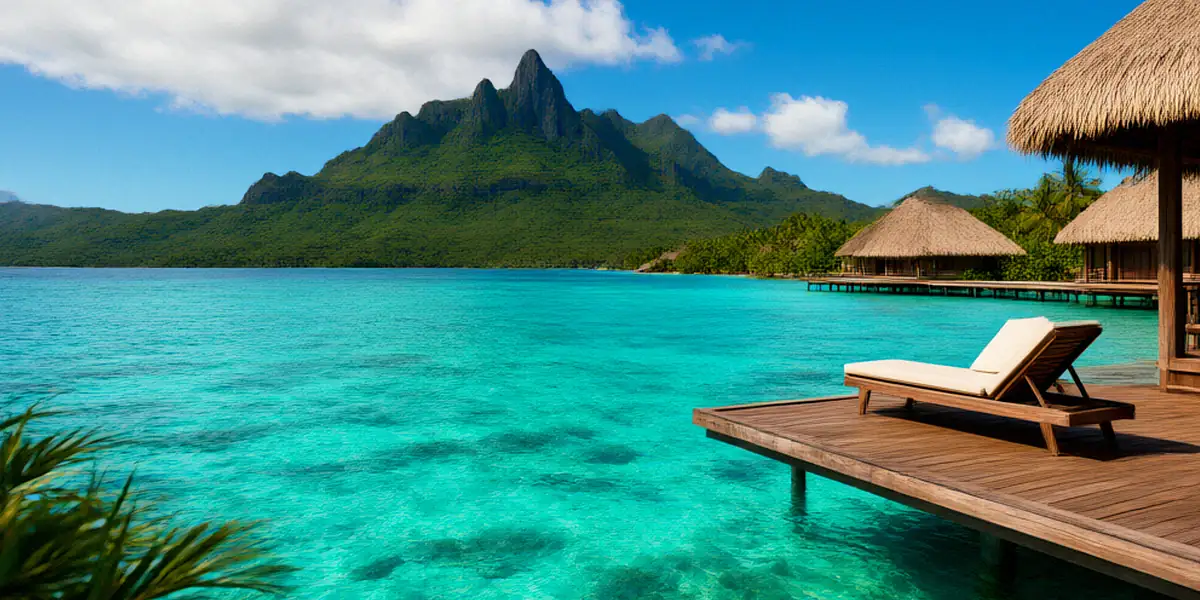
Bora Bora sits in the Society Islands of French Polynesia, roughly 4,000 kilometres east of Australia. The island itself is a dormant volcano ringed by a barrier reef, and inside that reef lies one of the most famous lagoons on earth — a sheltered, shallow expanse of coral gardens, sandbars and motu (small islets) that rarely sees waves above knee height. The lagoon’s colour comes from its depth and the white coral sand beneath it: light reflects off the bottom and turns the water that impossible electric blue.
For Australians, the comparison to the Great Barrier Reef is natural, and worth unpacking. Both are bucket-list reef destinations, but they offer very different experiences.
What Makes This Lagoon Different from the Great Barrier Reef
The Great Barrier Reef is vast, wild and best explored on multi-day liveaboard trips or day boats from Cairns and the Whitsundays. Bora Bora’s lagoon is intimate by comparison — you can circumnavigate much of it in a day, and the snorkelling sites sit in calm, waist-deep water that suits beginners and families. Where the GBR impresses with scale and biodiversity, Bora Bora impresses with accessibility and colour. You don’t need a dive certification or a long boat ride to see rays, sharks and coral gardens. On a typical tour, you’ll be in the water within 20 minutes of leaving your resort dock.
How to Get There from Australia: Flights and Stopovers
There are no direct flights from Australia to French Polynesia. Flights from Sydney to Papeete take around 8–9 hours with a stopover in Auckland, and Brisbane routes are similar. From Papeete, you’ll take a short domestic flight to Bora Bora — about 50 minutes — or, if you’re feeling adventurous, a ferry to Moorea and onward connections. Most of our readers break the journey with a night in Auckland or Papeete, which also helps with jet lag. Book early: seats on the Papeete leg fill quickly during the Australian winter school holidays.
Types of Bora Bora Lagoon Tours You Can Book
Tour styles range from shared group outings to fully private charters, and choosing the right one depends on how you like to travel. Well-known local operators include Lagoon Service Bora Bora and Bora Bora Explorer, both of which run reliable small-group trips, while Bora Bora Photo Lagoon specialises in slower-paced tours built around photography stops.
Snorkelling Safaris: Reefs, Rays and Coral Gardens
Snorkelling safaris are the classic half-day option. A guide takes a small group to three or four sites inside the lagoon — usually a coral garden, a shallow ray feeding area, and a deeper drop-off where blacktip reef sharks cruise below. Gear is provided, and guides adjust the stops based on conditions and group ability.
Lagoon Cruises and Private Charters
Lagoon cruises cover more ground and often include a circumnavigation of the island with a stop on a private motu. Private charters let you set the pace: you might spend two hours at one snorkel spot because the light is perfect, or skip the crowd at a popular site entirely. They cost more, but for families or couples they’re often worth it.
Combo Tours with Motu Picnics and Stingray Feeding
Combo tours bundle snorkelling with a motu picnic and usually a stingray and shark encounter in shallow water. These run full-day and are the most popular choice for first-time visitors. If you only book one tour, this is the one we recommend.
What Actually Happens on a Lagoon Tour
Here’s how a typical full-day tour unfolds, based on the operators we’ve worked with.
Morning Pickup and Boat Briefing
Most tours start with a pickup from your resort or pension between 8am and 9am, either by boat directly from your hotel’s dock or by shuttle to the main pier. Your guide runs through a short safety briefing, hands out snorkel gear and reef shoes, and outlines the plan for the day. Sunscreen on, phones in dry bags, and you’re off.
Snorkel Stops: Coral Gardens and Shark Alley
The first stop is usually a coral garden in two to four metres of water, where you’ll see butterflyfish, parrotfish and the occasional moray eel. Next comes a ray stop — stingrays glide over sand while guides hand-feed them, and you stand in water barely above your waist. Later in the day, many tours visit the Lagoonarium or a site known informally as Shark Alley, where blacktip and lemon sharks swim beneath the boat. Guides keep everyone at a safe distance and brief you on how to behave in the water.
Lunch on a Motu: What’s Served and What to Bring
Lunch is typically served on a private motu — a small islet with a few tables under a thatched roof. The centrepiece is poisson cru, French Polynesia’s national dish: raw tuna marinated in lime juice and coconut milk, served with rice, grilled fish, fresh fruit and sometimes breadfruit. Vegetarian options are usually available if you request them at booking. Bring a hat, reef-safe sunscreen, a towel and a little cash for tips or extra drinks.
Polynesian Culture You’ll Experience on the Water
The lagoon isn’t just a swimming pool with fish in it. It’s a cultural landscape, and the best guides weave that into the day.
Outrigger Canoes and Traditional Navigation
Some tours include a ride on a traditional outrigger canoe, and guides explain how Polynesian navigators crossed thousands of kilometres of open ocean using stars, swells and bird flight patterns — centuries before European explorers arrived in the Pacific.
Legends, Music and Pareo Demonstrations
Guides share local legends about Mount Otemanu and the gods of the sea, and many demonstrate pareo tying — the sarong-style wrap worn across French Polynesia. Ukulele music and singing often accompany the motu lunch, and yes, you’ll probably be encouraged to join in.
Respecting Rahui and Local Customs
You’ll hear the word rahui on many tours. It refers to a traditional conservation practice where an area is temporarily closed to fishing or harvesting to let stocks recover. Respect it — it’s both law and custom, and it’s a big reason the lagoon remains as healthy as it is. Never touch coral, never chase wildlife, and follow your guide’s instructions around rays and sharks.
Practical Tips for Australian Travellers
What to Pack for a Lagoon Tour
- Reef-safe sunscreen (required by many operators)
- Reef shoes or water sandals for shallow coral
- Quick-dry towel and a dry bag for phones and cameras
- Hat, sunglasses and a light long-sleeve top for sun protection
- Cash in Pacific Francs for tips, drinks and small purchases
Best Time to Visit and Booking Ahead
The dry season from May to October offers the best visibility for snorkelling, calmer seas and less rain. That’s also peak season, so book tours at least a month ahead if you’re travelling between June and September. The wet season (November to April) is quieter and cheaper, but visibility can drop.
Money, Tipping and Connectivity
The Pacific Franc (XPF) is the local currency, and Australian dollars are not widely accepted — change money in Papeete or use an ATM on arrival. Tipping isn’t mandatory but is appreciated for good guiding. Wi-Fi is patchy on the outer motu, so download offline maps and don’t rely on mobile data out on the water.
How Much Do Bora Bora Lagoon Tours Cost?
Prices vary by operator and season, but here’s a realistic guide in Australian dollars. Group snorkelling safaris typically run from about AUD $150 to $250 per person for a half day. Full-day combo tours with a motu picnic generally sit between AUD $280 and $400. Private charters start around AUD $900 for a half day and climb well beyond AUD $1,500 for a full day with a custom itinerary. Booking through your resort can be convenient but often carries a markup; booking directly with operators like Bora Bora Explorer or Lagoon Service Bora Bora usually gets you a better rate and more flexibility.
Frequently Asked Questions
Do Australian passport holders need a visa for French Polynesia?
No. Australian passport holders can stay visa-free for up to 90 days in French Polynesia. You’ll just need a valid passport, proof of onward travel and evidence of accommodation.
How long does it take to fly from Sydney to Papeete?
Flights from Sydney to Papeete take around 8–9 hours with a stopover in Auckland. From Papeete, it’s a short 50-minute flight to Bora Bora.
Can I pay with Australian dollars in Bora Bora?
No — the Pacific Franc (XPF) is the local currency and Australian dollars are not widely accepted. Bring some XPF cash for tips and small purchases, and use cards at larger resorts.
What’s the best time of year for snorkelling in the lagoon?
The dry season from May to October offers the best visibility for snorkelling, with calmer conditions and clearer water. Book early if you’re visiting during this window.
Is a lagoon tour suitable for beginners and children?
Yes. Most snorkel stops are in shallow, calm water, and guides provide gear and instruction. Combo tours with motu picnics are particularly well suited to families.
If you take one piece of advice from this guide, make it this: book at least one lagoon tour while you’re in Bora Bora. Not because it’s a box to tick, but because the experience — drifting over coral in water the colour of stained glass, eating poisson cru on a motu while a guide tells stories older than any map — is the whole point of coming this far. The lagoon and the culture are inseparable, and a good tour shows you both.