
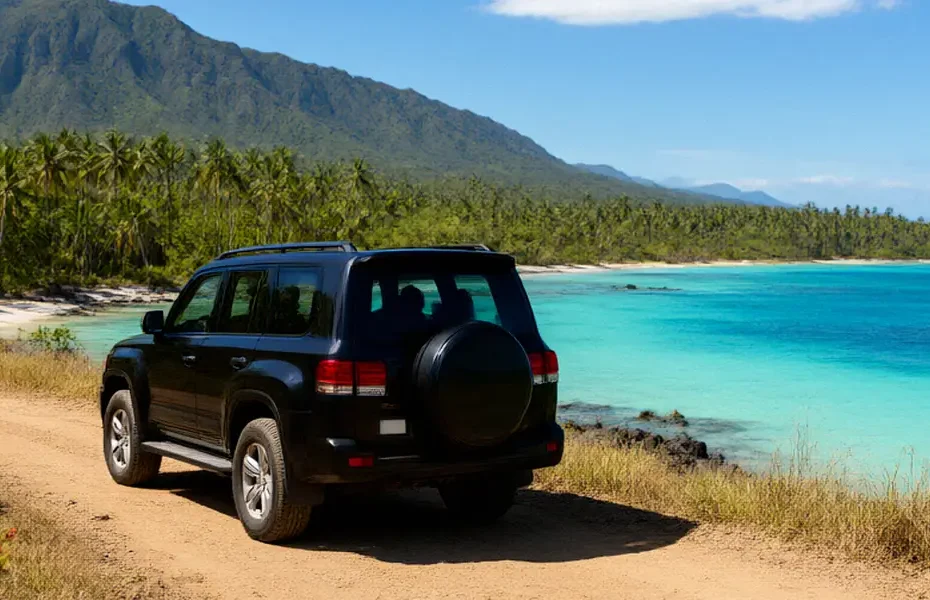
Bora Bora 4×4 Island Safari: An Off-Road Adventure Through Polynesian Culture
Most travellers picture Bora Bora as a single shade of impossible turquoise — the lagoon, the overwater bungalows, the coral gardens teeming with fish. And fair enough, because that’s exactly what the postcards promise. But there’s a whole other Bora Bora hiding behind the palm-fringed shoreline: a rugged, jungle-covered interior of volcanic peaks, WWII relics and ancient stone temples that you simply can’t reach by boat. A 4×4 island safari takes you up into that landscape, and it’s the perfect counterweight to your lagoon tours. Here’s everything Australian travellers need to know before you buckle up.
Why a 4×4 Safari Belongs on Your Bora Bora Itinerary
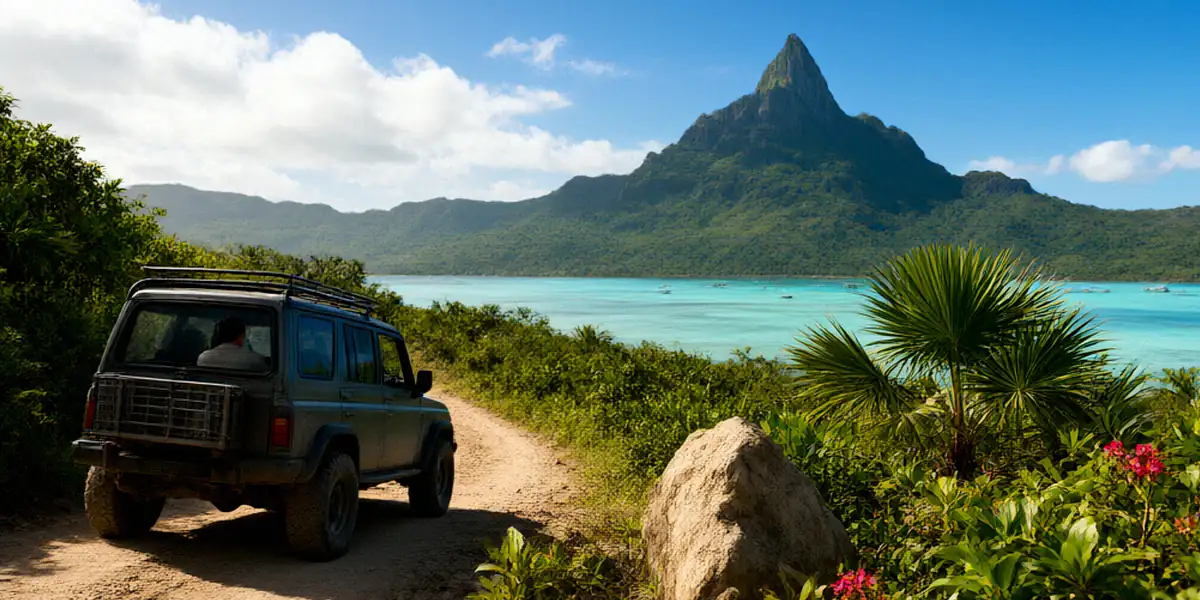
Bora Bora is world-famous for its lagoon tours and snorkelling, and rightly so — the coral gardens inside the reef are some of the best in French Polynesia. But if you spend your entire trip on the water, you’ll only ever see the island from sea level. The interior tells a completely different story: dense rainforest, steep ridgelines, and lookout points that most visitors never even know exist.
4×4 tours consistently rank among the top-rated activities on TripAdvisor for Bora Bora, and most operators include hotel pickup, which makes them genuinely easy to slot into a relaxed itinerary. You don’t need any special fitness level — you just need to be comfortable bouncing along a dirt track for a couple of hours.
Beyond the Overwater Bungalow: Seeing the Real Island
Staying in an overwater bungalow is a bucket-list experience, no question. But it can also insulate you from the actual place you’ve flown halfway across the Pacific to see. A 4×4 safari gets you up close to how Bora Bora lives and breathes — the family plantations, the vanilla and coconut groves, the marae (ancient Polynesian sacred temples) tucked into the hillside, and the local guides who grew up on these roads.
What Makes a 4×4 Tour Different from a Lagoon Cruise
A lagoon cruise is all about the water: snorkelling, rays, sharks, coral. A 4×4 safari is about altitude, history and culture. You’ll climb above the tree line for panoramic views, hear stories about Polynesian navigation and settlement, and see the island’s military history from the American WWII occupation. The two experiences complement each other perfectly — one shows you the sea, the other shows you the land and the people.
What to Expect on a Bora Bora 4×4 Island Safari
Most 4×4 safaris run for around three to four hours, usually in the morning or late afternoon to catch the best light. The route typically loops from the coastal ring road up into the interior, with several stops along the way.
The Route: From Coastline to Crater Rim
Tours generally start with a pickup from your hotel or the main pier, then wind along the coast before turning inland onto rough plantation tracks. The climb takes you up toward Mount Popoti and Mount Pahia, the two dominant volcanic peaks that form Bora Bora’s dramatic skyline. From the upper tracks, you get sweeping views across the lagoon, the barrier reef and the motus (small islets) that ring the island.
Key Stops: WWII Cannons, Marae, and Belvedere Lookout
The classic stops on a Bora Bora 4×4 safari include:
- American WWII cannons positioned on the ridgeline — a reminder that Bora Bora served as a US supply base during the Pacific campaign
- Ancient marae sites, where guides explain the spiritual and ceremonial significance of these stone platforms
- Belvedere Lookout, one of the island’s most photographed viewpoints, with views over Mount Otemanu and the lagoon
- Local plantations and family properties, often with fresh fruit or coconut stops
Vehicle and Group Size: What You’ll Ride In
You’ll typically ride in an open-sided 4×4 truck or Land Rover-style vehicle with bench seating in the back — perfect for photos, though you’ll want to hold onto your hat. Group sizes are usually small, often six to eight passengers, which keeps things personal. Reputable operators include Tupuna Safari and Vavau Adventures, both of which are well regarded for their knowledgeable local guides and well-maintained vehicles.
Polynesian Culture and History Along the Way
The real value of a 4×4 safari isn’t just the views — it’s the storytelling. Guides on Bora Bora are usually born and raised on the island, and they weave together geology, history, legend and personal family stories as you drive.
Marae and Ancient Temples: Tapping into Polynesian Spirituality
Marae are ancient Polynesian sacred temples found throughout the island, built from stacked volcanic stone. They were used for ceremonies, community gatherings and communication with the gods, and many remain important cultural sites today. Standing at a marae with a guide who can explain its purpose gives you a far deeper understanding of Polynesian spirituality than any museum display.
Local Guides: Storytellers of Bora Bora
Guides share legends of warriors, migration voyages and the great Polynesian navigators who crossed thousands of kilometres of open ocean using stars, currents and bird patterns. Some tours include a stop at a local family’s home for a demonstration of pareo-dyeing (traditional cloth painting) and fresh coconut tasting — a genuinely memorable cultural exchange rather than a staged performance.
Cultural Etiquette: What to Know Before You Go
A few simple things go a long way. Ask before photographing people or sacred sites, dress modestly when visiting a marae, and don’t remove stones or artefacts. A smile and a “mauruuru” (thank you) will be warmly received.
Practical Tips for Australian Travellers
Getting to Bora Bora from Australia takes a bit of planning, but it’s very doable. Here’s what we tell Aussie travellers before they book.
Getting There: Flights from Sydney, Melbourne, and Brisbane
There are no direct flights from Australia to Bora Bora. The most common routes are via Auckland (Air New Zealand or Air Tahiti Nui to Papeete, then a short Air Tahiti hop to Bora Bora) or via Papeete directly. From Sydney, Melbourne or Brisbane, expect a full travel day each way. Australian passport holders don’t need a visa for French Polynesia for stays under 90 days — just ensure your passport is valid for at least six months beyond your return date.
Best Time to Book: Peak Season vs. Shoulder Season
Peak season runs from May to October (the dry, cooler months), when demand and prices are highest. Shoulder season — roughly November and April — offers warm weather, fewer crowds and better value, though you may hit the odd tropical shower. Book 4×4 tours in advance during peak season, as small-group departures fill quickly.
What to Pack for Your Safari
- Reef-safe sunscreen (required in French Polynesia)
- Closed-toe shoes with grip — the tracks are dusty and uneven
- A hat, sunglasses and a light long-sleeve layer for sun and wind
- Insect repellent for the inland sections
- A reusable water bottle and a small amount of cash in XPF (French Pacific francs) for tips or market stops
Combining Your 4×4 Safari with Lagoon Tours and Snorkelling
The best Bora Bora itineraries mix land and sea. Pair a morning 4×4 safari with an afternoon lagoon tour, or alternate days to give yourself time to relax in between.
How to Pair Land and Sea Adventures
Popular lagoon operators include the Lagoonarium, a family-run marine park where you can snorkel with rays and reef sharks, and Aqua Safari, which offers helmet diving for those who want to walk the lagoon floor without getting their hair wet. Both pair beautifully with a 4×4 safari the day before or after.
Recommended Tour Combinations for Australians
Many Australian travellers book a combo package that bundles a 4×4 island safari with a lagoon cruise and snorkelling excursion — it usually saves money and simplifies logistics, especially on shorter trips. If you’re only in Bora Bora for three or four nights, a combo is the smartest way to see both sides of the island without rushing.
A 4×4 island safari gives you something the lagoon alone never can: a genuine connection to Bora Bora’s land, history and people. Pair it with your snorkelling and lagoon tours, and you’ll leave with a far richer picture of French Polynesia than the postcard ever showed.
FAQ
Do I need a visa to visit Bora Bora from Australia?
No. Australian passport holders don’t need a visa for French Polynesia for stays under 90 days. Just make sure your passport is valid for at least six months beyond your departure date.
Are there direct flights from Australia to Bora Bora?
No, there are no direct flights. Most travellers fly via Auckland or Papeete, then connect to Bora Bora on a short Air Tahiti flight.
How long does a Bora Bora 4×4 safari usually take?
Most tours run between three and four hours, including hotel pickup and several stops at viewpoints, marae and WWII sites.
Is a 4×4 safari suitable for children or older travellers?
Generally yes — the tracks are bumpy but the vehicles are sturdy, and most operators welcome families. If you have back or mobility concerns, let the operator know when booking so they can advise on the best departure.
What’s the best way to combine a 4×4 safari with lagoon tours?
Book a combo package that includes both a 4×4 safari and a lagoon snorkelling cruise. It saves money, simplifies scheduling, and ensures you see both the interior and the lagoon during your stay.