Outrigger Canoes: A Polynesian Tradition
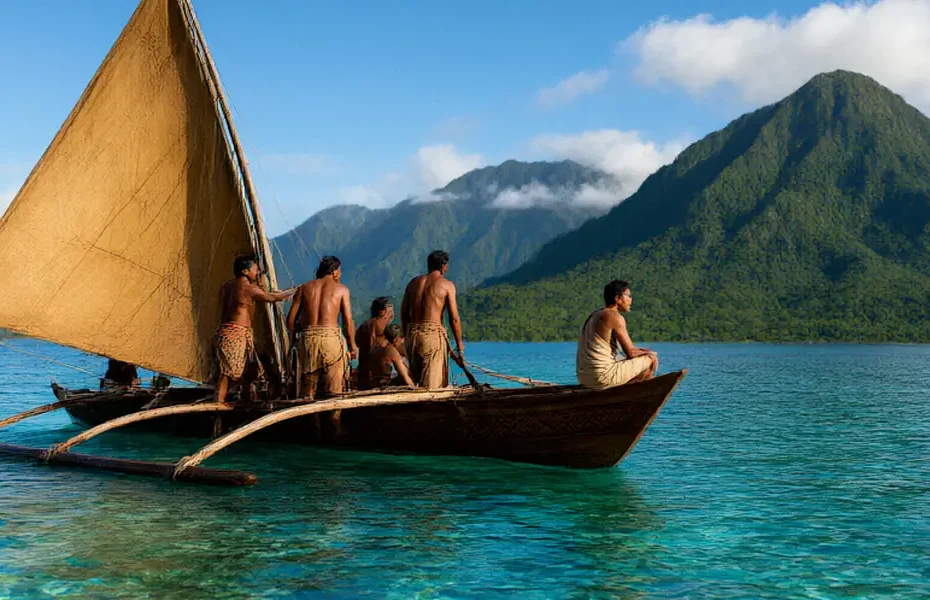
Picture the silhouette of an outrigger canoe cutting across the lagoon as the sun drops behind Mount Otemanu. For visitors, it’s a postcard moment. For Polynesians, that vessel is something far deeper — it’s a ancestor, a navigator’s tool, and a living link to the greatest ocean migration in human history. On maohinui.net, we think understanding the va’a (canoe) is the key to understanding Bora Bora itself. Here’s why we encourage every Australian traveller to step aboard one.
The Ancient Origins of the Outrigger Canoe
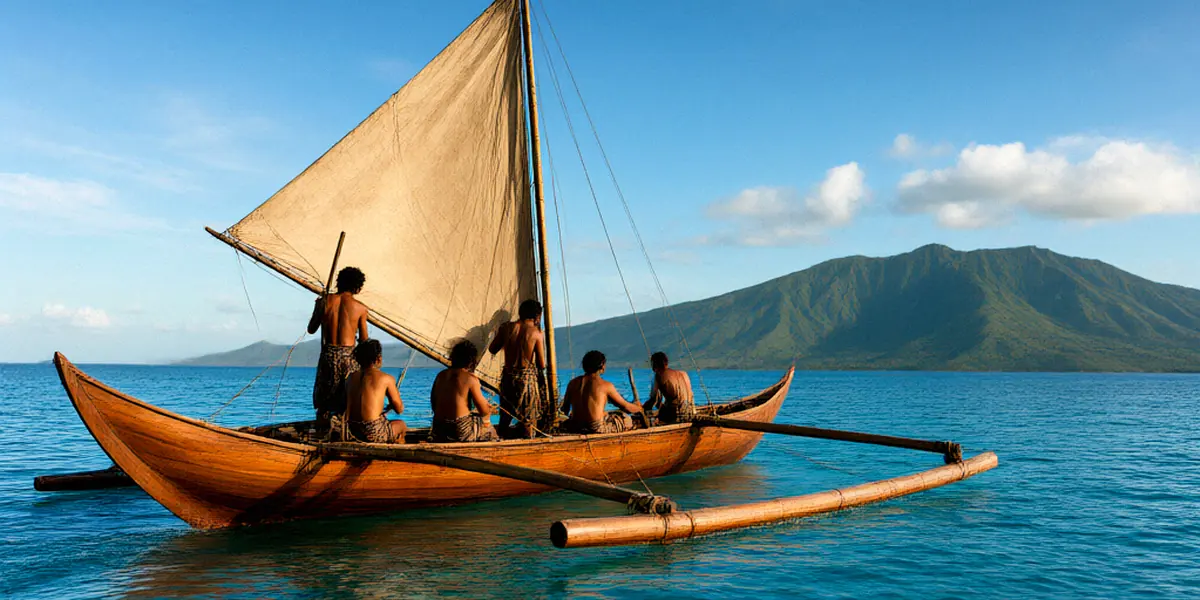
The outrigger canoe isn’t just a boat — it’s the technology that made Polynesia possible. Long before Europeans crossed oceans, Polynesian voyagers were sailing double-hulled and outrigger canoes across thousands of kilometres of open Pacific, carrying people, plants, animals and knowledge. French Polynesia, including the Society Islands around Bora Bora, was settled by these master navigators.
How the Outrigger Changed Ocean Travel
The outrigger float (the ama) stabilised the canoe against waves and swells, allowing it to carry heavier loads and sail faster across open water. Combined with navigational knowledge — reading stars, swells, birds and cloud formations — this design turned the Pacific into a connected highway rather than a barrier. We find it remarkable that the principles behind these canoes are still used in modern racing va’a today.
The Great Polynesian Migration
Traditional outrigger canoes were used in the great Polynesian migration across the Pacific, spreading from the western Pacific through the Cook Islands, Tahiti, the Marquesas and eventually to Hawaii and Aotearoa (New Zealand). French Polynesia sits near the heart of this migration story, and the canoe remains a symbol of that extraordinary era of exploration.
Cultural Significance in Polynesian Society
In traditional Polynesian life, the canoe was never just transport. It was how you fished for your family, how you travelled between islands, and how you honoured your gods. Canoe carving was treated as a sacred act, often accompanied by prayers and rituals, because a well-built canoe meant survival.
Canoe Building: A Sacred Craft
Master carvers selected specific trees, often felling them with ceremony and asking permission from the forest. The hull was shaped by hand, then lashed together with coconut fibre cordage rather than nails. Every part of the canoe had meaning, and the builder’s skill was measured not just in speed but in spiritual correctness.
Canoes in Ceremony and Legend
Canoes appear throughout Polynesian legend and ceremony — as vessels for gods, as symbols of chiefly power, and as the centrepiece of welcoming rituals. In Bora Bora, you’ll still see canoe motifs in tattoos, weaving, dance and architecture, a reminder that the va’a is woven into identity itself.
Outrigger Canoes Today: Sport and Tradition
The canoe never disappeared — it adapted. Today, outrigger canoe racing is one of the most passionate sports in French Polynesia, with thousands of paddlers training year-round. At the same time, traditional sailing canoes are being revived by cultural groups determined to keep the old knowledge alive.
The Hawaiki Nui Va’a Race
The Hawaiki Nui Va’a is a famous outrigger canoe race in French Polynesia, held every year between Huahine, Raiatea, Taha’a and Bora Bora. Teams of six paddle across open ocean channels in a gruelling multi-day event that draws competitors and spectators from around the world. If your visit coincides with the race, it’s one of the most electric cultural experiences in the islands.
Traditional Sailing Canoes in Modern Times
Alongside racing, voyaging societies are building and sailing traditional double-hulled canoes again, retracing ancient routes using only stars and swells. These voyages are powerful statements of cultural continuity, and many Bora Bora lagoon tours include a short explanation of how these canoes differ from the paddling va’a used for sport.
Experiencing Outrigger Canoes on Bora Bora Lagoon Tours
The easiest way for Australian travellers to connect with this tradition is to join an outrigger canoe tour on the Bora Bora lagoon. These tours combine the thrill of gliding over turquoise water with cultural storytelling and snorkelling stops in some of the most beautiful spots in French Polynesia.
What to Expect on a Canoe Tour
Most tours run for a half or full day and typically include:
- A paddle or motor-assisted outrigger canoe ride across the lagoon
- Stops at coral gardens, stingray and shark spots, and shallow sandbars
- Cultural commentary on Polynesian navigation, fishing and canoe traditions
- Fresh fruit, coconut demonstrations and sometimes a motu (islet) picnic
- Hotel pick-up and drop-off from most Bora Bora resorts
Lagoon Service Bora Bora offers outrigger canoe tours with snorkelling stops, and their guides are known for explaining the cultural side of the lagoon, not just the scenery. Bora Bora Explorer is another reputable tour operator for lagoon excursions, with smaller group sizes and flexible itineraries that suit couples and families.
Snorkelling and Wildlife Encounters
The Bora Bora lagoon is a protected nursery for reef fish, rays, turtles and small blacktip sharks. Snorkelling from a canoe lets you reach spots that larger boats can’t, and the slower pace gives you time to actually watch the reef instead of rushing past it. We always recommend reef-safe sunscreen and a rash shirt rather than heavy lotions.
Planning Your Bora Bora Adventure from Australia
Getting to Bora Bora from Australia takes a bit of planning, but it’s more straightforward than many travellers expect. The main gateway is Papeete, Tahiti, with a short domestic flight onward to Bora Bora.
Flights and Travel Logistics
Air Tahiti Nui and Qantas provide flights from Australia to French Polynesia, with connections via Auckland or Los Angeles depending on the season and route. From Papeete, Air Tahiti operates frequent flights to Bora Bora. We suggest booking international and domestic legs together where possible, and allowing a buffer night in Papeete if you’re arriving late.
Best Time to Visit for Canoe Tours
The dry season from May to October brings cooler temperatures, calmer lagoons and clearer water — ideal for canoe tours and snorkelling. The wet season from November to April is warmer and greener, with occasional heavy showers but fewer crowds and lower prices. The Hawaiki Nui Va’a usually falls around October or November, so plan well ahead if you want to combine your trip with the race.
Respecting Polynesian Culture: Etiquette and Sustainability
Polynesian culture is warm and welcoming, but it’s also rooted in respect — for elders, for the land, and for the ocean. A few simple habits make a big difference.
Cultural Etiquette for Visitors
- Ask before photographing people, especially during ceremonies or dance performances
- Remove shoes before entering a marae (sacred site) or someone’s home
- Don’t touch or stand on canoe hulls without permission — they’re often considered tapu (sacred)
- Use basic Tahitian greetings like “ia ora na” and “māuruuru” — locals appreciate the effort
- Tip guides modestly and buy from local artisans rather than imported souvenirs
Supporting Sustainable Tourism
Choose operators that limit group sizes, avoid feeding fish, and use moorings instead of anchors on coral. Ask whether your tour contributes to local conservation or cultural programs. Lagoon Service Bora Bora and Bora Bora Explorer are both good starting points, but we always recommend reading recent reviews and checking their environmental practices before booking.
FAQ
Do I need experience to join an outrigger canoe tour in Bora Bora?
No. Most lagoon tours are suitable for beginners, including families with children. Guides handle the paddling or motor, and you can simply sit back and enjoy the ride.
How long does a typical Bora Bora lagoon tour last?
Half-day tours usually run three to four hours, while full-day tours can last six to seven hours and include a motu lunch. We recommend a full day if you want snorkelling, cultural stops and a relaxed pace.
Which airlines fly from Australia to French Polynesia?
Air Tahiti Nui and Qantas provide flights from Australia to French Polynesia, typically routing via Auckland or Los Angeles. From Papeete, Air Tahiti connects to Bora Bora.
When is the best time to see the Hawaiki Nui Va’a race?
The race is usually held in October or November. Dates shift slightly each year, so check the official schedule and book accommodation in Bora Bora and Raiatea several months in advance.
Is snorkelling included on outrigger canoe tours?
Yes — most operators, including Lagoon Service Bora Bora, include snorkelling stops at coral gardens and ray or shark spots. Gear is usually provided, but you’re welcome to bring your own mask for a better fit.
Outrigger canoes are more than a scenic ride — they’re a direct line to the Polynesian navigators who settled this corner of the Pacific. For Australian travellers, joining a Bora Bora lagoon tour in a traditional va’a is one of the most authentic cultural experiences you can have in French Polynesia. Take the time to learn the story behind the vessel, choose a responsible operator, and you’ll come home with more than photos — you’ll come home with a genuine connection to Polynesian heritage.