
Overwater Bungalow or Guesthouse: Which Bora Bora Stay Is Right for You?
We’ll start with the honest truth: the postcard-perfect overwater bungalow isn’t the only way to experience Bora Bora’s lagoon—and for many Australians, a guesthouse might actually be the smarter choice. We’ve looked at both sides of the coin, from the butler-serviced villas of the St. Regis Bora Bora to the family-run pensions where you’ll eat poisson cru with your hosts. Here’s how to decide which base suits your budget, your travel style, and how deep you want to go into Polynesian culture.
The Overwater Bungalow Dream: What You’re Really Paying For
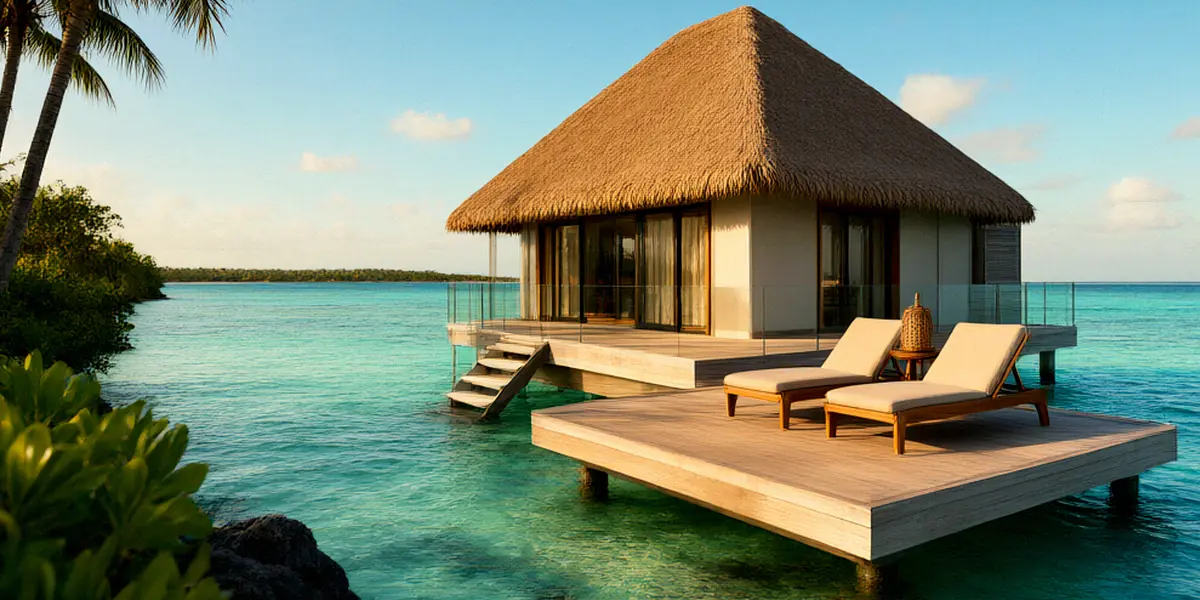
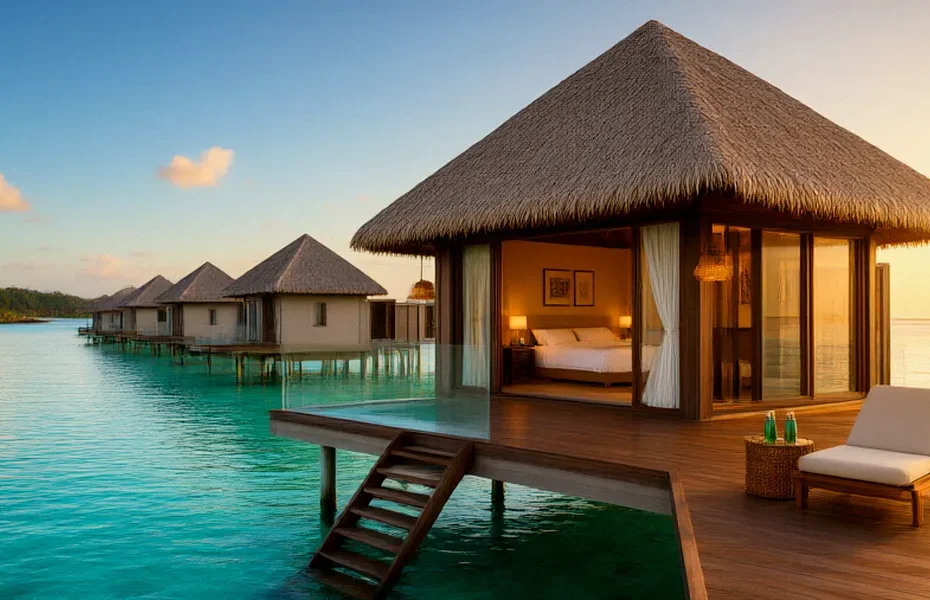
Staying in an overwater bungalow is the image that sold Bora Bora to the world, and properties like the St. Regis Bora Bora and Four Seasons Resort Bora Bora deliver it in full. You’re paying for more than a room: you’re paying for a private deck suspended above the lagoon, a ladder straight into the water, and a level of service that includes butler attendance at the top-end villas. For Australians on a once-in-a-lifetime trip, it’s a genuinely memorable splurge—but we want you to know exactly what that splurge buys.
Typical nightly rates and what’s included
Expect the iconic resorts to run from roughly AUD 1,200 to well over AUD 3,000 per night depending on the season, villa category, and whether you’re looking at a mountain-view or lagoon-view overwater bungalow. Rates usually include the villa itself, breakfast at some properties, use of the resort’s snorkelling gear, kayaks, and paddleboards, and access to pools and beaches. What they often don’t include: transfers, dinners, spa treatments, and the resort’s own lagoon tours, all of which add up quickly. The St. Regis and Four Seasons both sit on their own motu (islet) with private lagoons, so you’re also paying for seclusion—you can’t easily walk to a local restaurant or shop.
Direct lagoon access and snorkelling from your deck
This is the real magic of an overwater bungalow, and we won’t pretend otherwise. You wake up, step onto your deck, climb down your ladder, and you’re snorkelling in Bora Bora’s lagoon before breakfast. The water beneath the resorts is generally calm, shallow, and clear, with coral heads and tropical fish a short swim away. If your dream is to snorkel every single day with zero logistics, this is the most effortless way to do it.
The romance factor vs. the reality of wind and privacy
Here’s what the brochures don’t always mention: overwater bungalows can be windy, and the lagoon can get choppy during the wet season from November to April. Decks are often visible from neighbouring villas, so “private” is relative. And the romance premium is real—you’re paying a significant markup for the setting rather than the square footage. None of this ruins the experience, but we think it’s worth knowing before you commit to five nights at that price.
Guesthouses: The Authentic Polynesian Alternative
Step away from the resort motus and Bora Bora has a completely different accommodation scene: family-run pensions and guesthouses where you stay with locals, eat home-cooked Tahitian food, and pay a fraction of the price. Pension Maïana is one of the best-known family-run guesthouses on the island, and Bora Bora Guesthouse offers a similar style of stay. These aren’t backpacker dorms—many offer private bungalows, fans or air conditioning, and direct lagoon access of their own.
What a typical guesthouse stay looks like
You’ll usually get a simple private bungalow or room, often with a shared or private bathroom, a communal dining area, and a garden or beachfront setting on the main island or a smaller motu. Breakfast is frequently included, and dinner is often offered for a modest extra charge—usually fresh fish, coconut, breadfruit, and fruit from the property. Kayaks and snorkelling gear are commonly available to borrow free of charge.
Cultural exchanges and local hosts
This is where guesthouses win outright. Your hosts are Polynesian families who have lived on the lagoon for generations. You’ll learn how to crack a coconut, hear stories about the island’s history, and get honest advice on which lagoon tours are actually worth your money. Many pensions will cook a traditional Tahitian meal on request and can point you to dance rehearsals or church choirs that no resort concierge would know about.
Budget breakdown for Australian travellers
For context, here’s roughly how the two options compare per night for two people:
- Overwater bungalow at a luxury resort: AUD 1,200–3,000+ per night, plus meals and transfers
- Mid-range guesthouse or pension: AUD 150–350 per night, often including breakfast
- Meals: Resort dinners can run AUD 100–200 per person; guesthouse dinners are typically AUD 30–50
- Weekly saving by choosing a guesthouse: Potentially AUD 5,000–15,000, which can fund every lagoon tour, snorkelling trip, and inter-island flight on your itinerary
That difference is why so many Australians we speak to split their stay: a few nights in an overwater bungalow for the experience, and the rest of the trip in a guesthouse.
Lagoon Tours and Snorkelling: Which Base Is Better?
Bora Bora’s lagoon is the main event, and both accommodation types put you close to it—but the logistics differ. Resorts on private motus are further from the main village of Vaitape, while most guesthouses sit closer to tour departure points and local operators.
Proximity to snorkelling spots and tour pickups
Nearly all lagoon tours include hotel or pension pickup by boat, so location isn’t a dealbreaker either way. That said, guesthouses on the main island tend to be closer to Vaitape wharf, where many tours depart, and you’ll have more flexibility to book with smaller local operators. The Lagoonarium is one of the most popular snorkelling spots and tour operators in Bora Bora, offering a fenced natural aquarium where you can swim among rays, sharks, and hundreds of reef fish. Bora Bora Snorkel Adventures is another well-regarded operator running small-group trips to the outer reef and manta ray cleaning stations.
Cost of tours and gear rental
Lagoon tours typically cost around AUD 120–200 per person for a half-day and AUD 200–350 for a full day with lunch. Gear rental is usually included in the tour price. If you’re staying at a resort, basic snorkelling gear is often free to borrow for the duration of your stay; guesthouses usually lend kayaks and masks at no charge too. Buying your own mask and snorkel before you leave Australia is worth it if you snorkel often—it’s cheaper and it fits better.
Flexibility for independent snorkellers
If you want to snorkel on your own schedule, a guesthouse on a motu with a house reef gives you the same step-out-and-swim access as an overwater bungalow at a fraction of the cost. Independent snorkellers should watch currents near the reef passes and always check with locals before heading out—tides and wind change fast in French Polynesia.
Polynesian Culture: Where You’ll Find the Real Thing
Polynesian culture is alive and well on Bora Bora—but where you stay shapes how you encounter it. Resorts offer polished, scheduled performances; guesthouses offer everyday participation. We recommend seeking out both, but knowing the difference helps you spend your time well.
Cultural activities at guesthouses
Many pensions will teach you to make poisson cru (raw fish in coconut milk and lime), show you how to weave palm fronds, or invite you to join a family barbecue with traditional Tahitian music. Some can arrange visits to local dance troupes or church services where the singing is genuinely extraordinary. This is cultural exchange, not a show.
Resort cultural programs and their authenticity
The St. Regis and Four Seasons both run cultural programs—fire dancing, pareo-tying demonstrations, ukulele lessons, and Tahitian dance performances. They’re professionally staged and enjoyable, especially for families, but they’re performances rather than daily life. Treat them as an introduction, not the whole story.
Visiting Marae and local villages
Bora Bora has several marae—ancient stone ceremonial sites—including those at Faanui and near Matira. Visiting with a knowledgeable local guide adds real context about Polynesian spirituality and history. Vaitape, the main village, is worth a wander for its markets, snack vans (roulottes), and pearl shops. Respect local customs: ask before photographing people, and dress modestly when visiting villages or churches.
Practical Tips for Australian Travellers
Getting to Bora Bora from Australia takes a little planning, but it’s very doable. Air Tahiti Nui offers direct flights from Auckland to Papeete, a common route for Australians, with connections onward to Bora Bora via Air Tahiti. Many travellers fly Sydney or Melbourne to Auckland, overnight in Auckland if needed, then continue to Papeete and take the short domestic hop to Bora Bora.
Best time to visit and seasonal pricing
The dry season from May to October brings cooler temperatures, lower humidity, and higher prices—this is peak season. The wet season from November to April is hotter, more humid, and cheaper, with occasional heavy showers that usually pass quickly. If you’re flexible, the shoulder months of April–May and October–November offer a good balance of weather and value.
Package deals vs. DIY booking
Packages combining flights, transfers, and resort stays can save money and hassle, especially for overwater bungalow stays where resorts often bundle breakfast and activities. For guesthouses, DIY booking direct with the property is usually cheaper and gives you more flexibility. The currency in French Polynesia is the Pacific franc (XPF); cards are widely accepted at resorts, but carry cash for guesthouses, markets, and roulottes.
What to pack for lagoon tours
- Reef-safe sunscreen (required at many sites)
- Rash vest or light wetsuit top for sun and sting protection
- Your own mask and snorkel for best fit
- Water shoes for coral and rocky entries
- Dry bag for phone and camera
- Reef-safe insect repellent for evenings
- Light long-sleeve layers for boat rides and wind
FAQ
Is a guesthouse in Bora Bora safe and comfortable for Australians?
Yes. Family-run pensions like Pension Maïana are well established, welcoming, and perfectly comfortable, with private bungalows, fans or air conditioning, and often lagoon access. They’re a different style of stay to a resort—simpler, more personal, and much cheaper—but not a compromise on safety.
Can I snorkel straight from a guesthouse like I would from an overwater bungalow?
Often, yes. Many guesthouses on Bora Bora’s motus have house reefs and lend kayaks and snorkelling gear free of charge. The quality of the reef varies by property, so ask your host before booking if step-in snorkelling is a priority for you.
How much should we budget for lagoon tours and snorkelling in Bora Bora?
Plan for roughly AUD 120–200 per person for a half-day lagoon tour and AUD 200–350 for a full-day trip with lunch. The Lagoonarium and operators like Bora Bora Snorkel Adventures are popular choices, and most tours include gear and hotel pickup.
What’s the best way to get from Australia to Bora Bora?
Air Tahiti Nui offers direct flights from Auckland to Papeete, which is the most common routing for Australians. From Papeete, Air Tahiti flies to Bora Bora in under an hour. Allow a buffer night in Papeete or Auckland if your connections are tight.
Should we split our stay between a resort and a guesthouse?
Many Australians do exactly that: two or three nights in an overwater bungalow at the St. Regis or Four Seasons for the bucket-list experience, then the rest of the trip in a family-run guesthouse. You get the iconic photos and the cultural immersion, and you stretch your budget much further.
The right choice comes down to your travel style, your budget, and how much you want to connect with Polynesian culture—not just the Instagram shot. If the overwater bungalow is the dream, book it, but consider a shorter stay and pair it with a guesthouse. If authentic food, local hosts, and more money left for lagoon tours and snorkelling sound like your kind of Bora Bora, a pension might be the smartest booking you make all year.